In a landmark judgment addressing the urgent and growing crisis of student suicides in India, the Supreme Court has issued a comprehensive set of binding guidelines aimed at protecting the mental health and well-being of students across all types of educational institutions, including coaching centers, colleges, hostels, and residential academies.


Get Started
Join thousands of Indian lawyers, firms and corporate legal teams already working smarter with Legalspace.
In a landmark judgment addressing the urgent and growing crisis of student suicides in India, the Supreme Court has issued a comprehensive set of binding guidelines aimed at protecting the mental health and well-being of students across all types of educational institutions, including coaching centres, colleges, hostels, and residential academies.
While hearing a case concerning the tragic death of a 17-year-old NEET aspirant, the Court noted that mental health is an essential part of the right to life under Article 21 of the Constitution, and underscored the State’s obligation to provide a safe, supportive, and inclusive educational environment.
1. Mandatory Mental Health Policy:
All educational institutions are required to adopt and publicly share a dedicated mental health policy. This policy must be aligned with existing initiatives like the UMMEED Draft Guidelines, MANODARPAN, and the National Suicide Prevention Strategy, and must be reviewed and updated every year.
2. Qualified Counsellors for Every Institution:
Institutions with 100 or more students must appoint at least one full-time trained counsellor, psychologist, or social worker specializing in child and adolescent mental health. Smaller institutions must establish partnerships with external professionals.
3. Dedicated Student Mentorship and Support:
To offer consistent and confidential support, institutions must assign trained mentors or counsellors to small batches of students, especially during exams or academic transitions.
4. Ban on Harmful Academic Practices:
The Court has prohibited batch segregation based on academic performance, public shaming, or pressuring students with unrealistic academic expectations.
5. Emergency Protocols and Helpline Visibility:
Every institution must maintain clear, written protocols for mental health emergencies, including referrals to hospitals or helplines. Suicide helpline numbers, such as Tele-MANAS, must be prominently displayed in hostels, classrooms, and on institutional websites.
6. Mandatory Training for Staff:
Teaching, non-teaching, and administrative staff must undergo biannual training on identifying signs of psychological distress, providing psychological first aid, and supporting students through appropriate referral mechanisms.
7. Inclusive and Sensitive Student Engagement:
Staff must be trained to engage with students from vulnerable and marginalized backgrounds—including SC/ST/OBC, EWS, LGBTQ+ students, those with disabilities, or students facing trauma or bereavement—with sensitivity and care.
8. Zero Tolerance on Harassment and Abuse:
Institutions must set up robust, confidential, and accessible systems to report and act on cases of ragging, bullying, harassment, or discrimination. Any neglect contributing to a student's self-harm will be treated as institutional liability, inviting legal and regulatory consequences.
9. Parental Sensitization and Mental Health Literacy:
Institutions must organize sensitization sessions for parents and guardians on recognizing psychological distress and avoiding undue academic pressure. Life skills and mental health awareness must also be integrated into student orientation and co-curricular activities.
10. Annual Mental Health Activity Reporting:
Institutions must maintain anonymized records of mental health initiatives and submit annual reports to the relevant regulatory bodies, including the State Education Department, UGC, AICTE, or CBSE.
11. Promoting Holistic Development:
Institutions are required to promote extracurriculars—such as sports, arts, and personality development—and revise examination structures periodically to reduce academic burden and build identity beyond scores and ranks.
12. Career Counselling for Realistic Choices:
Regular, structured career counselling sessions must be provided to students and parents by qualified professionals to promote awareness of diverse career paths and reduce pressure caused by narrow definitions of success.
13. Enhanced Safeguards in Hostels:
Residential campuses must prevent access to high-risk areas like rooftops and balconies and install tamper-proof ceiling fans to reduce the risk of impulsive self-harm. Hostels must remain free from bullying, harassment, and substance abuse.
14. Special Protection in High-Pressure Coaching Cities:
Cities such as Kota, Jaipur, Sikar, Chennai, Hyderabad, Delhi, and Mumbai—where high academic stress is common—must implement enhanced mental health safeguards, including psychological support access, academic pressure regulation, and structured career planning for students and parents.
These guidelines apply to all educational institutions across India, including private and public schools, colleges, universities, coaching institutes, and hostels—regardless of affiliation. The Court clarified that these directions are not superseding any ongoing efforts by the National Task Force on Student Mental Health but shall operate in parallel as an interim protective framework.
The ruling stemmed from a petition filed by a grieving parent whose daughter, a 17-year-old student preparing for NEET, passed away under troubling circumstances while living away from home for her studies. After receiving no relief from the High Court, the parent approached the Supreme Court seeking a fair investigation and broader accountability.
Recognizing the systemic nature of the issue, the Court took the opportunity to address student mental health more broadly, citing provisions of the Mental Healthcare Act, 2017, which decriminalizes suicide and guarantees access to mental health services for all. The Court invoked its powers under Article 32 and held that these interim measures shall remain in effect and enforceable under Article 141, until a comprehensive legislative framework is introduced.
This judgment marks a pivotal shift in how India approaches student well-being. By grounding mental health protection within constitutional and legal mandates, the Court has laid the foundation for systemic reform. These guidelines not only respond to a growing national crisis but also reflect a progressive step toward humanizing our education system.
To stay updated on government employment rules, visit:
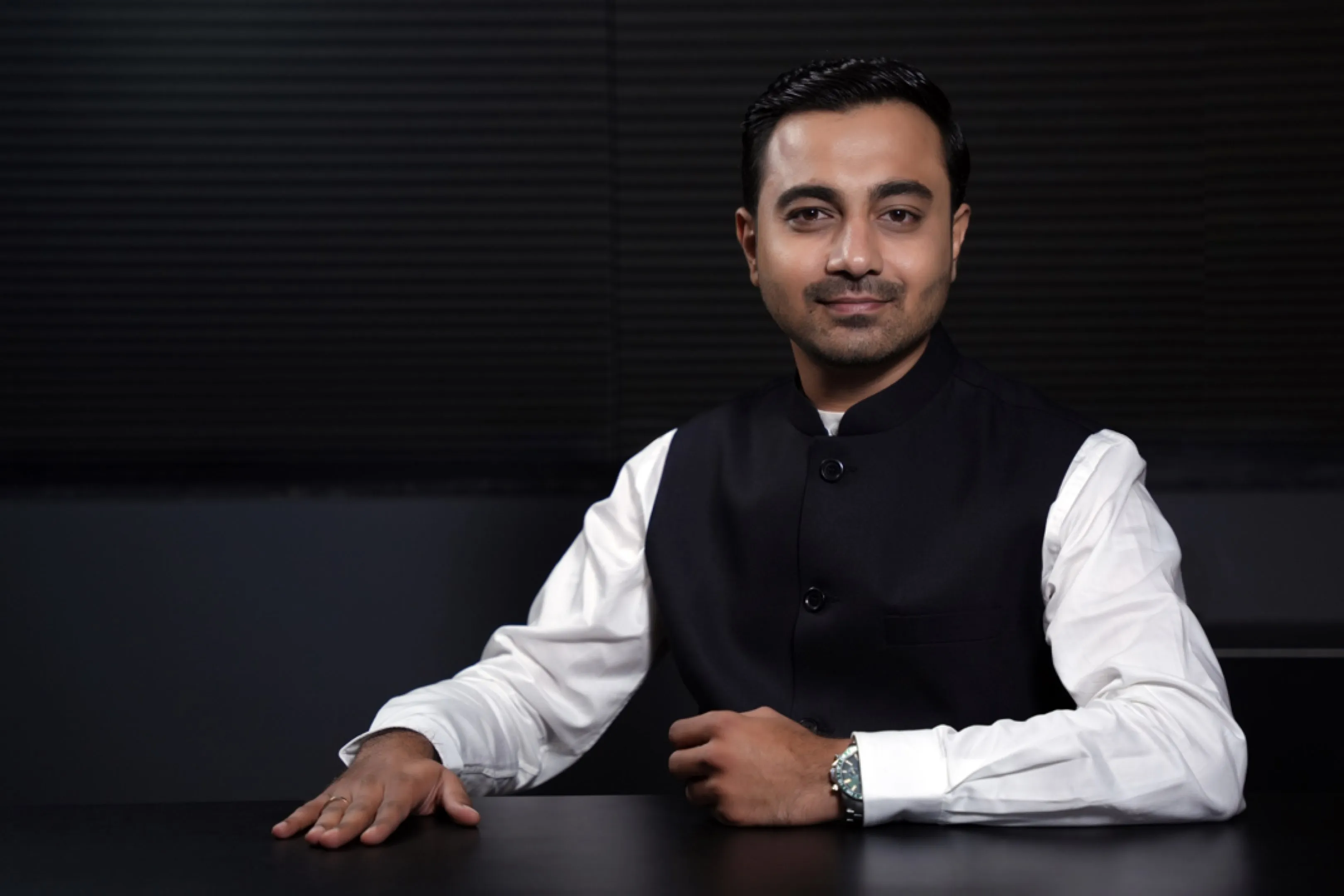
Deep Karia is the Director at Legalspace, a pioneering LegalTech startup that is reshaping the Indian legal ecosystem through innovative AI-driven solutions. With a robust background in technology and business management, Deep brings a wealth of experience to his role, focusing on enhancing legal research, automating document workflows, and developing cloud-based legal services. His commitment to leveraging technology to improve legal practices empowers legal professionals to work more efficiently and effectively.